Caddisfly larva
Limnephilus lunatus
Print fact sheet (PDF)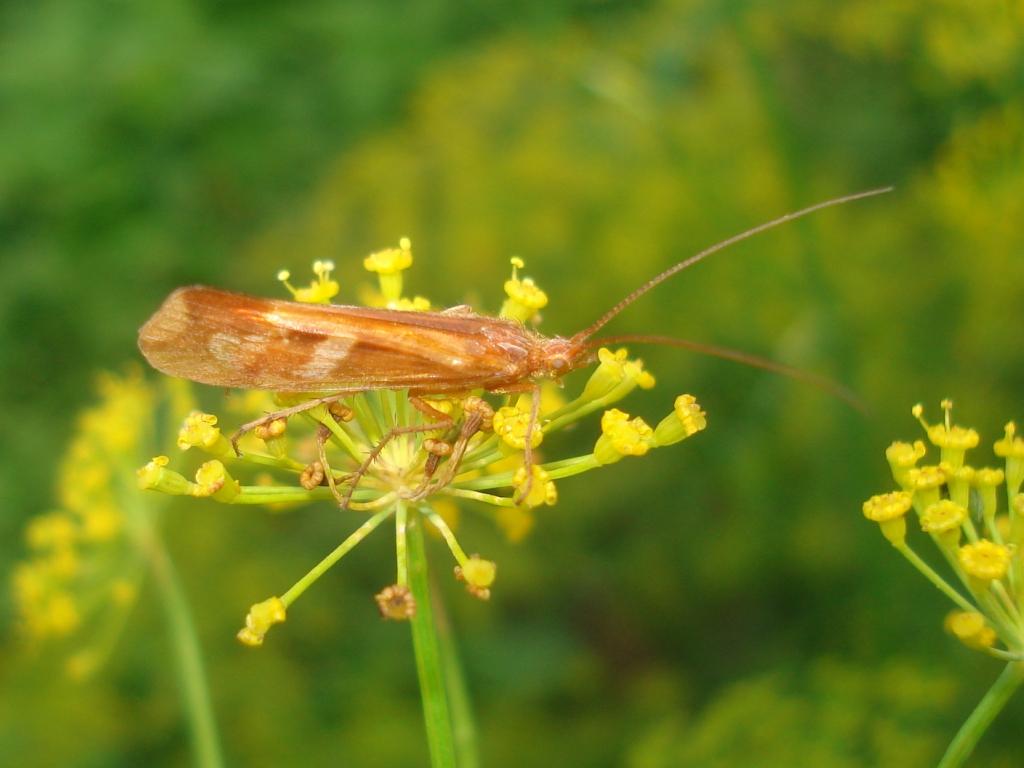
Builds itself a portable case out of sand, twigs and snail shells, and carries it everywhere.
The larva of a medium-sized brown caddisfly, best known not for itself but for its case — a tube it constructs from grains of sand, plant fragments, twigs and small shells, bound with silk and carried about as it walks. Caddis larvae are abundant in ponds, ditches, canals and slow reaches around Dumfries, and are one of the most rewarding things to find in a pond-dipping tray.
Behaviour
Each caddis species builds a characteristic case, so the case itself identifies the larva. The construction is instinctive and adaptable — larvae given only glass beads or gemstones will build with those, which has been turned into a minor art form. Larvae graze algae and detritus, pupate inside the sealed case, and emerge as drab moth-like adults that fly at night.
When to see it
Quick facts
- Family
- Northern caddisflies (Limnephilidae)
- Size
- Larval case 15–25 mm
- Status
- Native; abundant in still and slow fresh water
Photo by Sanja565658, CC BY-SA 3.0, via Wikimedia Commons