Wood Mouse
Apodemus sylvaticus
Print fact sheet (PDF)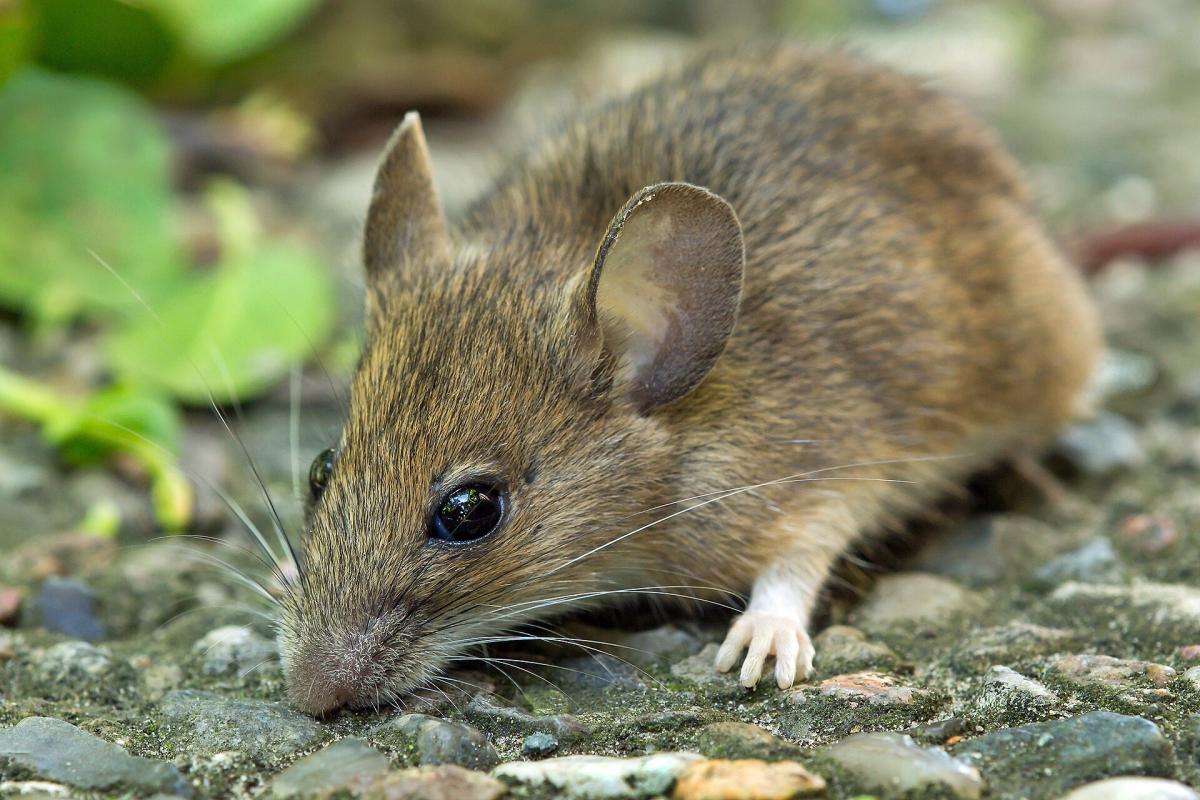
Huge black eyes, enormous ears and a habit of getting into the shed every autumn.
A slender, long-tailed mouse with sandy-brown fur, a clean white belly, very large ears and prominent dark eyes — altogether a more elegant animal than the house mouse it is often confused with, and it lacks that species' musty smell. Wood mice are probably the commonest wild mammal around Dumfries, found in woodland, hedgerow, gardens and rough ground, and they move into sheds and outbuildings as the weather turns.
Behaviour
Strictly nocturnal and a superb jumper and climber, the wood mouse forages for seeds, nuts, berries, buds and insects, and caches food in burrows and old birds' nests. It is one of very few mammals known to use portable landmarks — placing leaves or twigs to mark a route and moving them as it explores. When cornered it can shed the skin from the tip of its tail to escape, though the tail does not grow back.
When to see it
Quick facts
- Family
- Mice and rats (Muridae)
- Size
- Body 8–10 cm plus a 7–9.5 cm tail
- UK status
- Common and widespread; not protected
Photo by Christian Fischer, CC BY-SA 4.0, via Wikimedia Commons